Dental emergencies rarely wait for a convenient time to happen. And sometimes all it takes is just a stray elbow on the sports field, biting down on something harder than you thought, or a simple slip. In those moments, what you don’t do is just as important as what you do. The wrong course of action can turn a little fix into a big problem for your dental health.
At Pennant Hills Dental Centre, our experienced dentists have seen it all, from knocked-out teeth carried in tissue to crowns glued back with superglue. We know how easy it is to panic and make a quick choice that seems right at the time, but unfortunately, can cause more harm than good. That’s why we’ve put together this guide.
You’ll find the most common blunders people make in a dental emergency, and the simple steps that can make all the difference.
1. Scrubbing a knocked-out tooth clean
One of the most urgent dental emergencies is when a tooth gets completely knocked out. It’s a shocking moment. And the first instinct for many people is to rinse the tooth under the tap and give it a good scrub to ‘clean it up.’ That’s actually one of the worst things you can do. The root of the tooth is covered in delicate cells and fibres that help it reattach. Scrubbing wipes them away and makes saving the tooth much less likely.
Another mistake we see is people wrapping the tooth in tissue or leaving it to dry out. A tooth outside the mouth needs to stay moist to survive.
What to do instead
- Pick it up carefully by the crown (the white chewing surface), not the root.
- If you can, gently place it back into the socket and bite down softly on a cloth.
- If that’s not possible, keep the tooth moist in milk or in your cheek with saliva until you reach us.
- Call our dental clinic as soon as possible and book an emergency dentist appointment. Time is really of the essence here!
2. Putting aspirin directly on a sore tooth
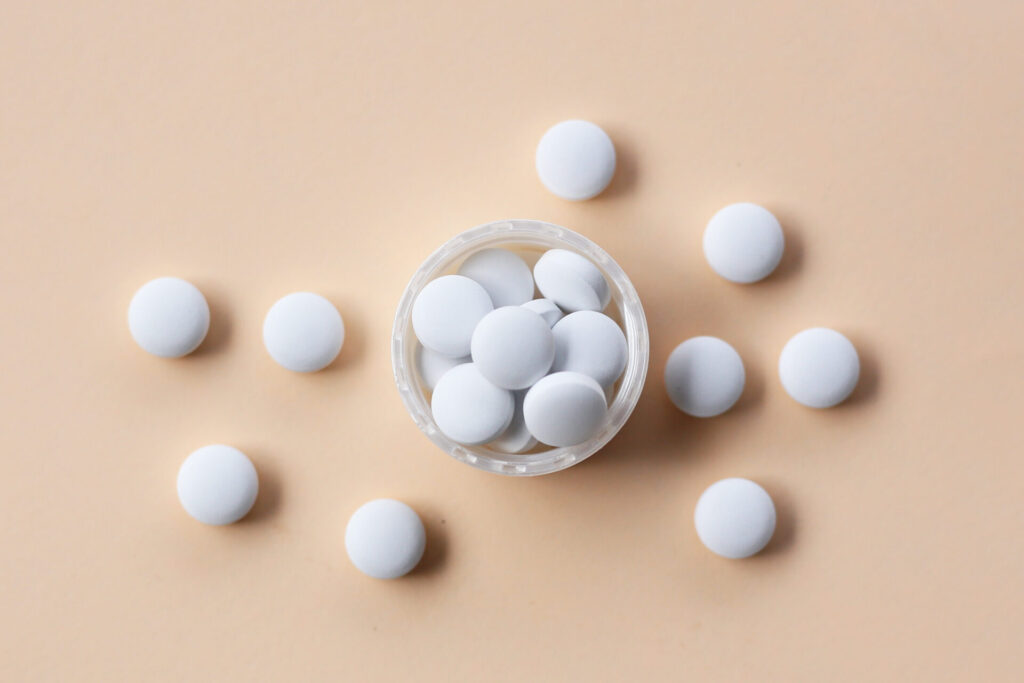
Toothaches can be brutal. When the pain kicks in, many people reach for the medicine cabinet. A common blunder is placing an aspirin tablet directly on the sore tooth or gum, thinking it will ‘numb’ the pain. In reality, aspirin is acidic and can burn the soft tissue inside your mouth, leaving you with chemical burns on top of the original problem.
Another mistake is ignoring it and hoping the pain will pass. Toothaches are usually a sign of infection or decay that won’t resolve on their own. Ignoring a toothache can mean the issue spreads or gets more complicated, affecting your oral health in the long run.
What to do instead
- Rinse your mouth gently with warm salt water to ease discomfort and reduce bacteria.
- Take over-the-counter pain relief as directed… but swallow it! Don’t apply it to your gums.
- Call us to book an urgent emergency dentist appointment so we can find and treat the underlying cause before it gets worse.
3. Using glue to fix a broken tooth
Breaking a tooth can feel like a disaster, especially if it happens in a visible spot. Some people panic and try to patch things up at home with whatever’s handy, even household glues or fillers. That’s a big blunder. Superglue and similar products aren’t safe in your mouth. They’re toxic, not designed for oral health, and can damage the tooth further or burn your gums.
Another mistake is continuing to chew on the broken side. This puts extra pressure on the weakened tooth, which can cause more cracking or even break it beyond repair.
What to do instead
- Rinse your mouth with warm water and save any broken pieces if you can.
- Cover sharp edges with dental wax (available from the pharmacy) or even sugarless chewing gum to protect your tongue and cheeks.
- Avoid chewing on that side of your mouth.
- Call us for an emergency dentist appointment so we can assess the damage and decide the best way to repair or restore the tooth properly.
4. Poking at cuts in your mouth
Cuts to the lips, tongue or inside your cheek are common after falls or bites. The instinct is to poke at the cut, pull at the flap, or scrub it to ‘see what’s wrong.’ Don’t. Prodding a wound irritates it, increases bleeding, and invites infection. Likewise, pouring or swabbing harsh chemicals into the cut, for example, mouthwashes with high alcohol content, undiluted hydrogen peroxide or antiseptics, can damage tissue and slow healing.
What to do instead
- Rinse gently with clean water or a mild saline rinse to remove obvious debris.
- Apply clean gauze and gentle pressure to stop bleeding. Hold steady for 10–15 minutes (don’t keep checking every few seconds).
- Use a cold compress on the outside of your face to reduce swelling (wrap the ice in a tea towel; don’t apply ice directly to skin).
- If bleeding won’t stop after 15–20 minutes, the cut is deep, or the wound is large or gaping, seek urgent care. Some cuts need stitches or professional assessment to avoid long-term problems.
- Afterwards, keep the area clean and avoid poking at scabs while they heal.
5. Forcing a crown or filling back with superglue
A lost crown or filling is stressful. It’s also one of those moments where people try to fix it themselves. Applying superglue to push a crown back on might seem like a genius idea in the moment, but it’s a real mistake. Superglue can bond to tooth and soft tissue, release toxic fumes, interfere with proper fitting, and ruin the crown so it can’t be reused.
Trying to bite the crown into place or chewing hard foods on the exposed tooth can break what’s left of the restoration or damage the underlying tooth, too.
What to do instead
- Keep the crown or filling safe. Ideally, put it in a small container or a ziplock bag.
- If the crown won’t seat, you can use temporary dental cement from a pharmacy to hold it in place for a short time. Don’t use household glues!
- Avoid chewing on that side and stick to soft foods until you see us.
- Book an emergency dentist appointment so we can assess the tooth and either reseat the crown correctly or make a replacement.
Emergency Dentistry Pennant Hills
In a dental emergency, every minute counts. Acting wisely in the moment can mean the difference between saving or losing a tooth, avoiding infection, or preventing a simple issue from turning into a complex one. Quick, calm decisions protect your oral health and often have a positive impact on your treatment outcomes.
At Pennant Hills Dental Centre, we provide a full range of emergency dental services. Our experienced dentists have treated patients through just about every situation, from knocked-out teeth to severe toothaches, broken crowns, and soft tissue injuries. We’re here to deliver emergency dental care with skilled hands and compassionate care, so you can feel confident you’re in safe, trusted hands when it matters most.
If you ever need urgent help, call us to book an emergency dentist appointment with our team. We offer emergency dental appointments six days a week. As your local emergency dentist in Pennant Hills, we’ll do everything we can to get you seen quickly, ease your pain, and provide the right treatment to restore your smile and peace of mind.